
How to Choose a Zinc Bar Top Finish: Texture First, Then Patina
Nine finishes sounds like a lot to sort through. It isn’t. Every zinc finish we make comes down to two decisions, made in order: the texture of the surface, then the patina it starts with. That’s three options each, nine combinations, and the same nine in brass and copper.
Here’s how to think through both choices, how each one reads in a real room, and how to get the real thing in your hand before you commit.

Why you can’t choose from a photo
Metal is a reflective surface. The lighting package, the time of day, and the colors around it all change how a top looks, which is why a screen (this one included) only gets you close. Use this guide to narrow the field to two or three finishes. Then hold samples in the room’s actual light.
Step 1: Start with a texture
Texture is the character of the surface itself. It sets how the top catches light and how the patina reads later on. Choose it first, because it changes how every patina looks.
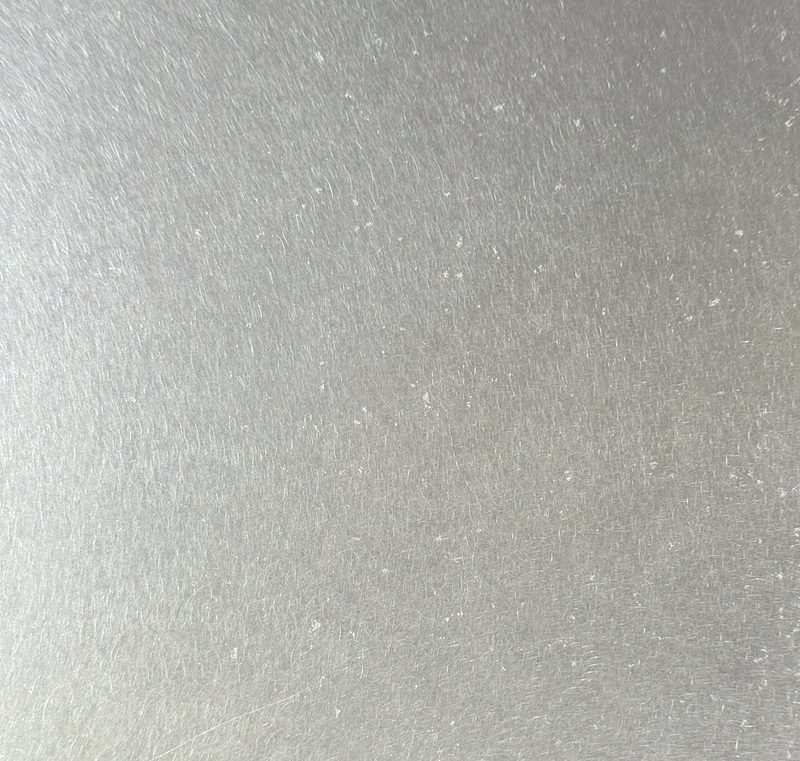
No texture. A smooth, even surface. It’s clean and quiet, so an edge profile or the room does the talking. At Restaurant François in Austin, the zinc trim has no texture, and the egg-and-dart ornament carries all the detail.
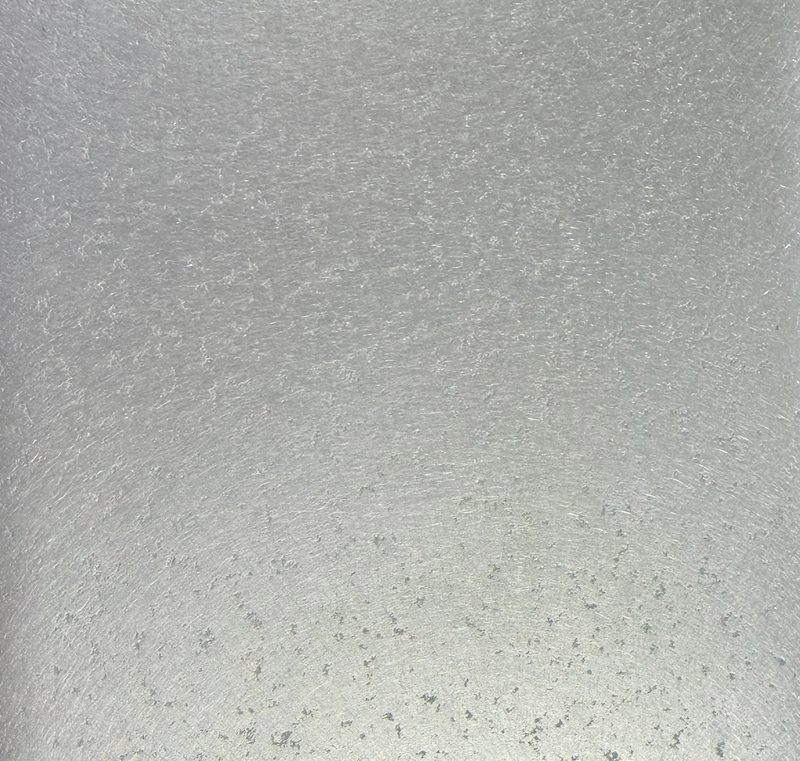
Light texture. A fine, low-relief texture that adds movement without getting busy. It’s the middle ground for a bar that works hard and still needs to read as refined.
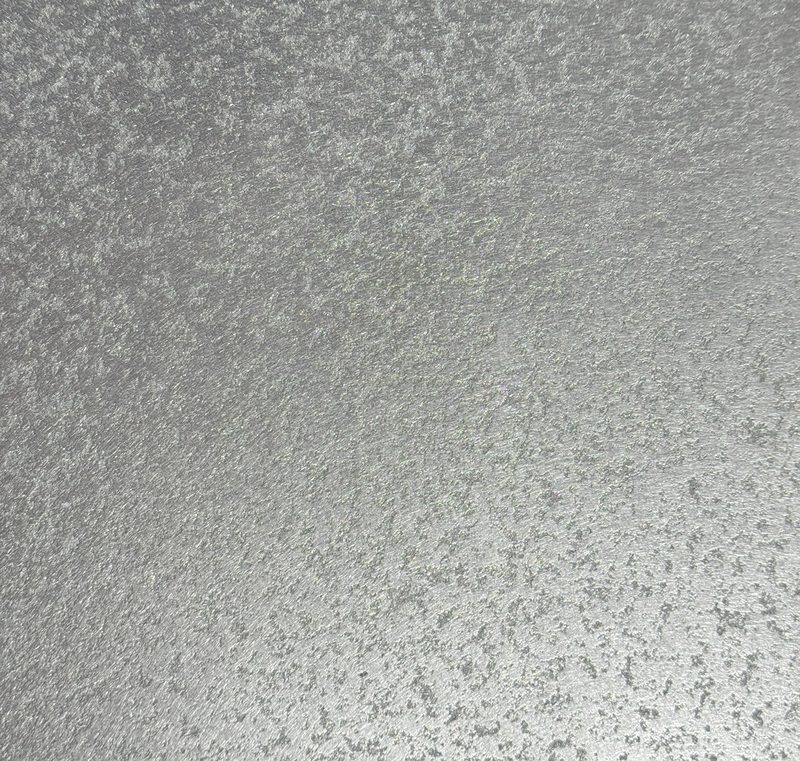
Medium texture. The most pronounced of the three. As patina develops, it settles into the low spots while the high spots stay brighter, so the texture reads more strongly over time.
How texture handles wear
Zinc is a relatively soft metal, so a zinc top picks up scratches and small dents in service. That comes with choosing a living metal. What texture changes is how much you notice.
On a smooth surface, a fine scratch is a line across an even field. On a textured surface, the light is already broken up, so small marks have less to stand out against. Add the way patina behaves, with raised, handled areas polishing while recesses darken, and a textured top tends to fold daily use into its character rather than show it off.
So if the bar is high-volume, with glassware sliding across it all night, light or medium texture is worth a serious look. If the top is more of a showpiece, no texture gives you the cleanest surface, as long as everyone knows a smooth top will show its history more plainly.
Step 2: Choose a patina level
Patina is a change in color and sheen at the surface. It isn’t rust, and it isn’t damage to the metal. The level you choose is where the surface starts.
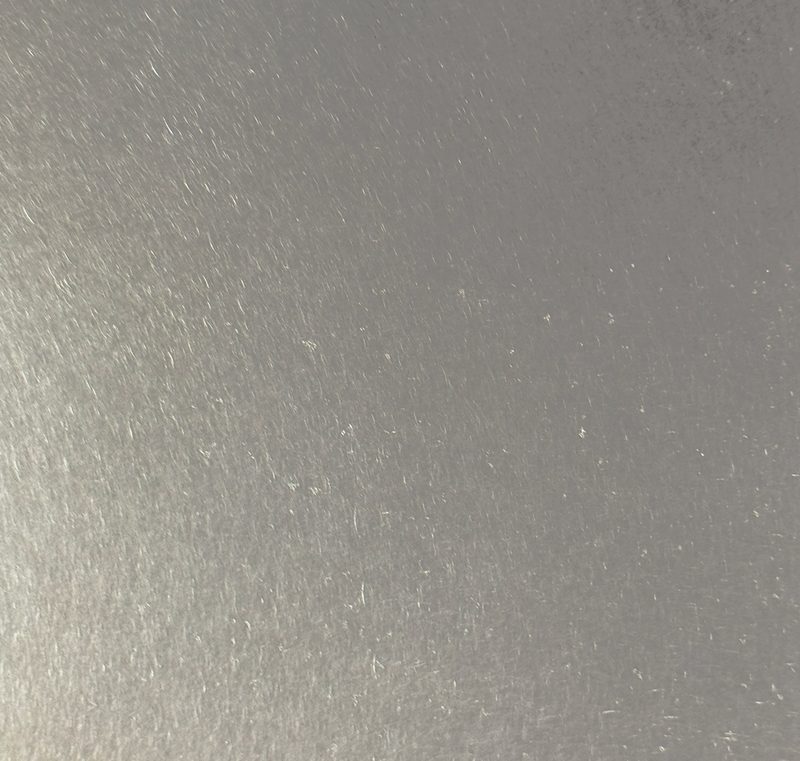
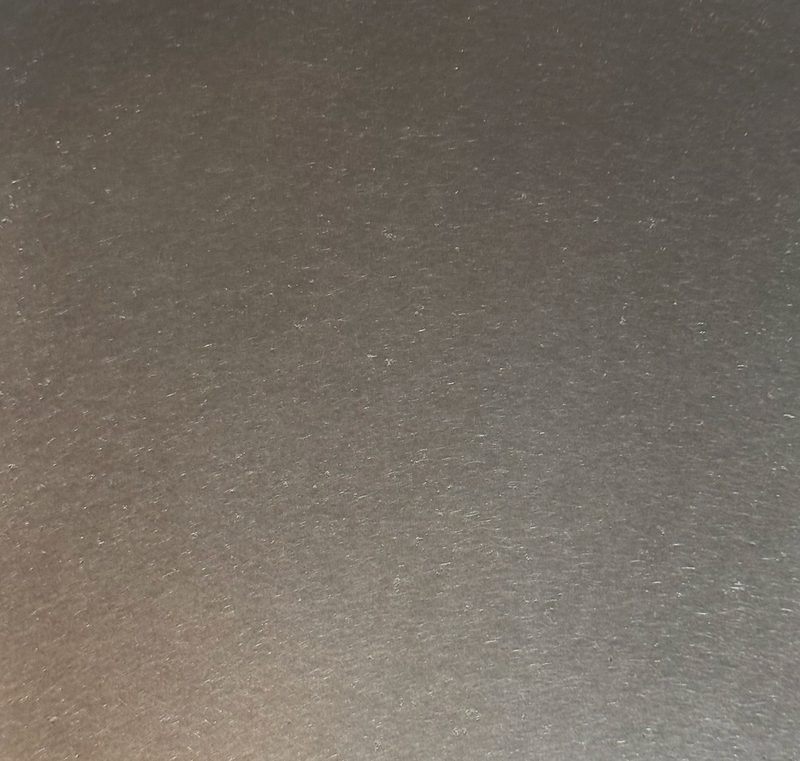
No patina. Bright, silvery gray: zinc as it looks fresh. Left unwaxed, it begins developing a patina on its own in service.
Light patina. A step deeper. It’s a softer gray with some of the brightness taken down.
Medium patina. A darker warm gray, and the deepest starting point of the three.
How the 3×3 grid works
Put the two decisions together and you get a grid. Texture runs down the side, and patina runs across the top. Pick your row, then your column, and the square where they meet is your finish.
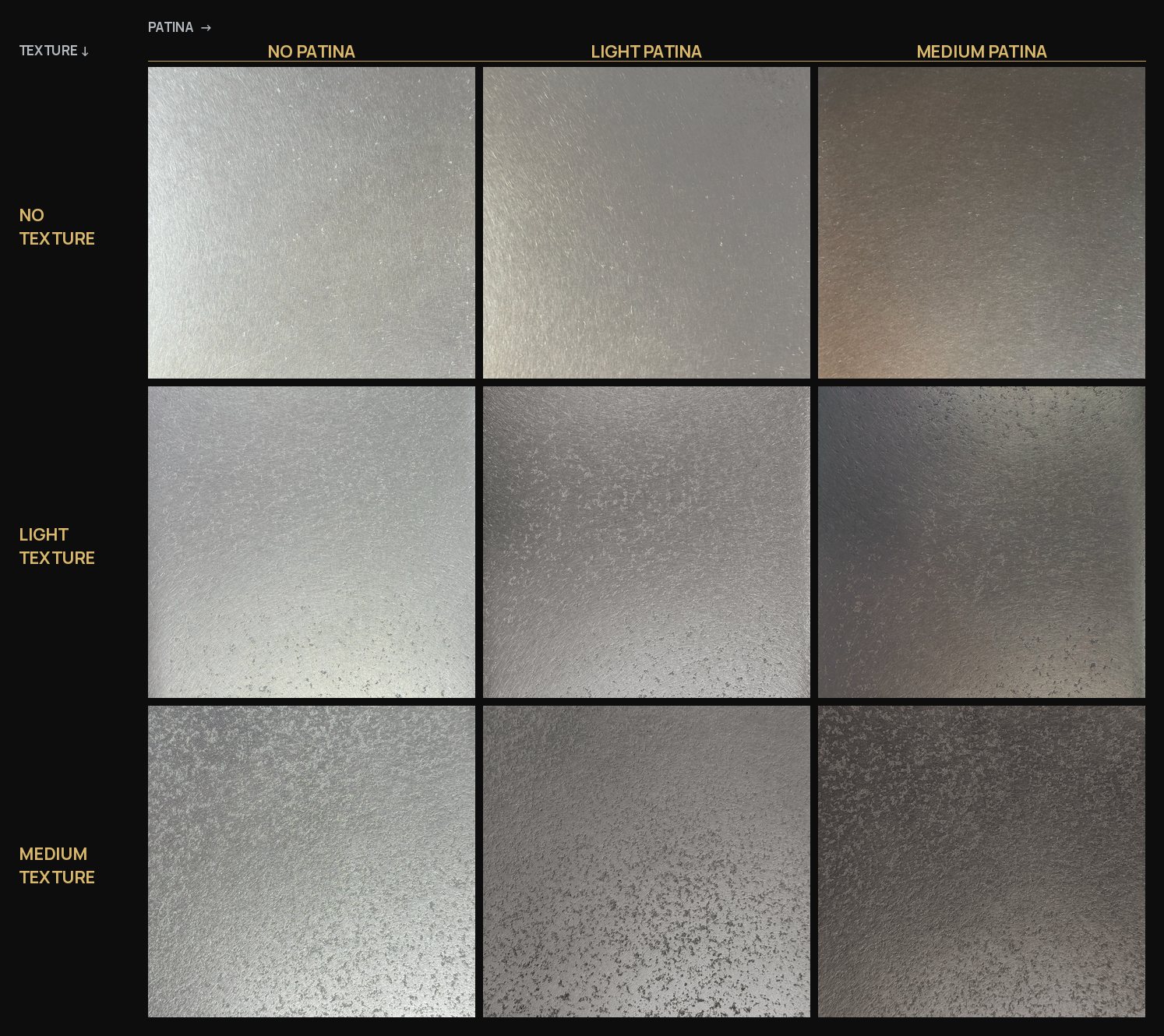
A few things become clear when you see all nine at once:
- Across a row, the surface stays the same and the color deepens, from silvery gray to darker warm gray.
- Down a column, the color stays in the same family and the surface gets busier. On medium texture, the patina gathers in the low spots and the pattern comes forward.
- The corners are the two ends of the range. No texture with no patina is the brightest and quietest. Medium texture with medium patina is the deepest and most pronounced.
The interactive version on our Finishes & Samples page lets you click a texture and a patina and see that sample larger, and it carries your picks into the sample request form.
How each choice reads in a room and under bar lighting
Bars are rarely lit like an office or a showroom, so judge a finish the way it will actually be seen.
Patina sets the brightness. A top with no patina reads bright and reflective. It bounces back fixture light and picks up the color of what’s around it. Medium patina reads darker and calmer, and it sits back in the room instead of glowing. Light patina splits the difference.
Texture sets the sheen. A smooth top gives an even sheen and shows reflections of the fixtures above it more clearly. Texture breaks those highlights up into smaller points of light, so the surface reads as more active up close and softer from across the room.

Check samples in the real light. Look at them in daylight and again under the evening lighting, next to the wood, stone, or leather they’ll live with. A sample judged under office fluorescents can look like a different finish under warm, low bar light.
Brass and copper come in the same nine
Brass and copper are available in the same three textures and the same three patinas, so the decision works exactly the same way. Only the metal’s color changes. Brass starts bright and golden, then warms toward amber and antique brown. Copper starts a bright salmon-pink and changes faster and more visibly, into warm browns and deep bronze. (The sample photos in this post are zinc.)
If a project mixes metals, say zinc bar tops with copper or brass elsewhere in the room, you can choose a texture and patina once and carry the same finish across all of them.
The finish you choose is a starting point
Zinc, brass, and copper are living metals. The patina keeps developing in service, so the finish you pick is where the top begins, not where it stays.
You have some control over the pace. A wax coat, such as carnauba, slows patina development and makes spills easier to wipe up. Leaving the top unwaxed lets it develop faster, with more variation. And the way a bar is used shows up in the metal: raised, handled areas polish while recesses darken.
Restaurant François is a good example. The trim was delivered with no patina and left unwaxed at the client’s request, so it develops a light patina in service. Choosing a finish there was really choosing where to start, then letting the bar do the rest.
For how each metal ages, and how to care for it, read Living Metals: How Zinc, Brass & Copper Age.
Get samples in your hand
Once you’ve narrowed it to a few squares on the grid, request samples. The request form on our Finishes page lets you choose the metal, texture, and patina, or pick “Help me choose” and tell us about the room. Requests are reviewed and samples ship for your project.
If you already have drawings, send them along and we’ll talk finish and profile together.