
Finishes & samples
Zinc, Brass, and Copper Finishes
Our zinc bar top finishes come down to two choices: a texture, then a patina. Three of each gives you nine finishes, and brass and copper come in the same nine.
Find a starting point here, then hold the real thing. Requests are reviewed and samples ship for your project.

01
Start with a texture
Texture is the character of the surface itself, and it’s the first call to make. It sets how the top catches light and how the patina reads later on.
-
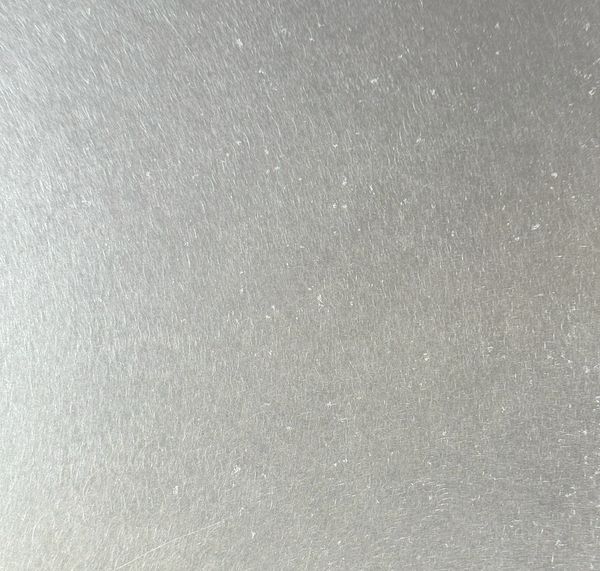
No texture
A smooth, even surface. Clean and quiet, so an edge profile or the room does the talking.
-
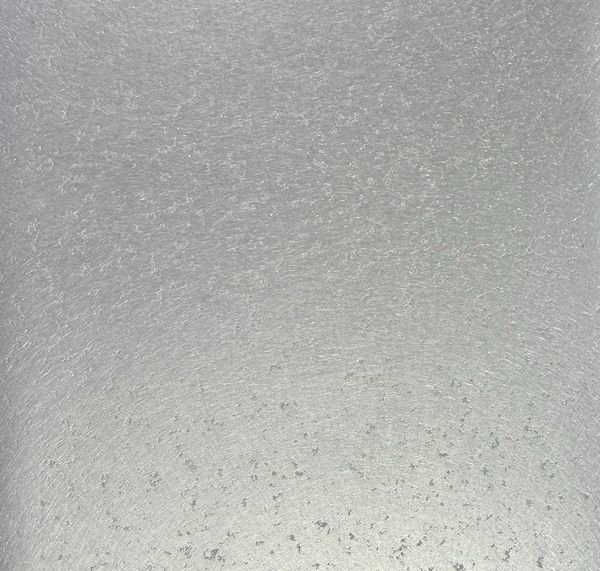
Light texture
A fine, low-relief texture that adds movement to the surface without getting busy.
-
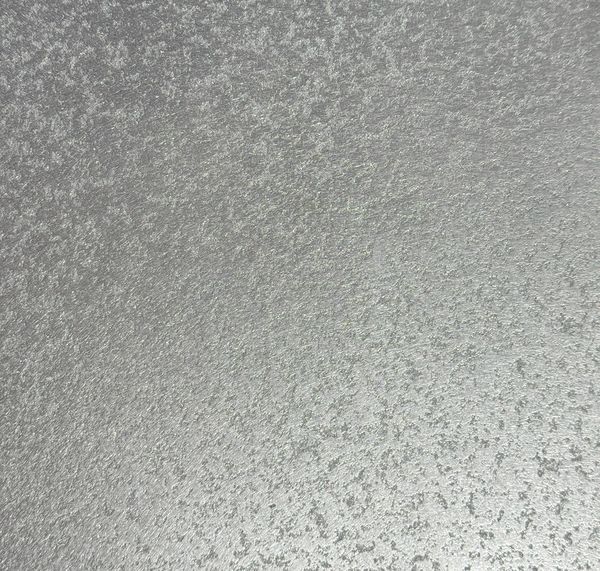
Medium texture
The most pronounced of the three. As patina develops it settles into the low spots while the high spots stay brighter, so the texture reads more over time.


All three shown in zinc with no patina.
02
Choose a patina level
Patina is a change in color and sheen at the surface. It isn’t rust, and it isn’t damage to the metal. The level you choose is where the surface starts; on a living metal it keeps developing in service.
-
No patina
Bright, silvery gray, the way fresh zinc looks. Left unwaxed, it starts to develop a patina on its own in service.
-
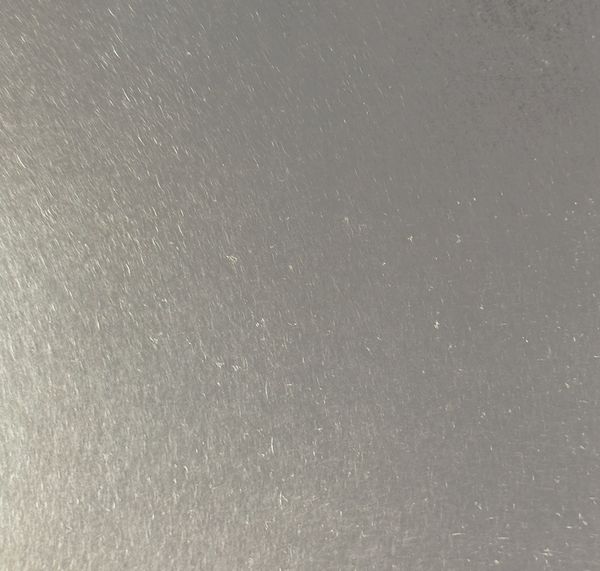
Light patina
A step deeper: a softer gray with some of the brightness taken down.
-
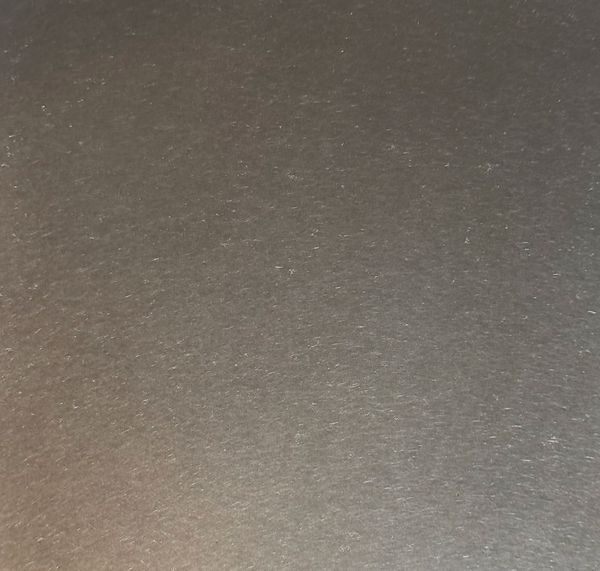
Medium patina
A darker warm gray, and the deepest starting point of the three.


All three shown in zinc with no texture.
03
The nine finishes
Pick a texture, then a patina, and the matching sample shows up. These are shown in zinc. Brass and copper come in the same nine: three textures and three patinas.

Photos are of actual samples. Screens vary and metal changes with the light, so hold samples before you finalize.
05
Caring for living metal
Waxed or unwaxed is a design decision, not a right-or-wrong question. Either way, care is simple.
Download the Care Sheet (PDF)
Read our Limited One-Year Warranty (PDF)
- Wax it, or don’t. Carnauba wax slows the patina and makes spills easier to wipe up. It wears off with use, so reapply it when the finish looks dry. Unwaxed, the patina develops faster and with more variation.
- Acid spots blend back. Citrus, wine, and vinegar can leave lighter spots or rings. That’s the patina being removed, and it blends back in within a day to a week.
- Use trivets. Always, under hot pans and plates.
- Expect some marks. Zinc is relatively soft and shows scratches and small dents more readily than harder metals.
- High spots polish, low spots darken. Patina develops unevenly. Raised, handled areas pick up a soft polish while recesses darken.
- Refresh when you want to. A Scotch-Brite pad or steel wool lightens and evens out the surface. Re-wax after. Nothing needs replacing.
- Everyday cleaning. Warm water, a mild dish soap, and a soft cloth to dry. Skip bleach and ammonia-based cleaners.
06
Finish sample FAQ
Straight answers on finishes, care, how our tops are built, and how ordering works.
Finishes & patina
What’s the difference between texture and patina?
Texture is the surface itself: none, light, or medium. Patina is the color and sheen on that surface: none, light, or medium. Choose the texture first, then the patina.
Is patina the same as rust?
No. Rust is iron breaking down. On zinc, brass, and copper, patina is a change in color and sheen at the surface, not damage to the metal underneath.
Which metals do you offer, and do they all come in the same finishes?
Zinc, brass, and copper, and yes: all three come in the same nine finishes, three textures and three patinas. Pick a finish once and you can carry it across every metal on the project.
Is it real metal, or a coating made to look like metal?
Real metal. We use deposition to apply thin coats of material in a controlled manner to build up the surface, then sand and finish it in our shop. What you touch is real zinc, brass, or copper, and it ages like it.
Will the finish keep changing after installation?
Yes. These are living metals, so the patina keeps developing in service. Wax slows it down, and leaving the top unwaxed lets it develop faster. Raised, handled areas polish while recesses darken. How zinc, brass, and copper age →
Can a finish be sealed, or customized beyond the nine?
Patinas are meant to change, and wax only slows them down. If a project needs a finish held in place, we can add a clear coat for a fee, coordinated with us. The same goes for other custom finish requests: tell us what you’re after, and with the right coordination a lot is possible.
Care
How do we clean it day to day?
Warm water, a mild dish soap, and a soft cloth to dry. Wipe acidic spills soon if you want fewer light spots. Skip bleach and ammonia-based cleaners; they don’t belong on a living metal.
What happens if lime juice or wine sits on zinc?
It can leave a lighter spot. That’s the patina being removed, not damage, and it blends back in within a day to a week, depending on the acid and the spot. On a darker patina a light spot shows more contrast, so wipe citrus and wine up early if that bothers you.
Should the top be waxed, and with what?
It’s a design choice. We recommend a solvent-free carnauba paste wax, like Howard Wax-It-All: it slows the patina and makes spills easier to wipe up. Wax wears off with use, so reapply it when the finish looks dry. Unwaxed, the patina develops faster and with more variation.
Does zinc scratch or dent? Can we cut on it?
Zinc is relatively soft, so it shows scratches and small dents more readily than harder metals. Use a cutting board rather than cutting on the top, and always put hot pans and plates on trivets.
Can bartenders use rubber bar mats?
Case by case. The mat itself isn’t the problem; standing water trapped under it is. We’ll help you choose the right setup and tools for how your bar runs, and anywhere water sits constantly, like the drink rail, needs a stainless insert.
Can a worn or spotted top be brought back?
Yes, and nothing needs replacing. A Scotch-Brite pad or steel wool lightens and evens out the surface; re-wax after. Your staff or a contractor can do it on site, and we’re glad to walk you through it.
Construction
What makes a 3 Spark top different?
A waterproof core instead of wood. Real metal built up over it, which lets us take on complex curves and compound shapes. Edge profiles cut with tooling we make on our own CNC, so the edge is drawn for your bar. And the same nine finishes in zinc, brass, and copper. Designed and made in Hickory, North Carolina.
What’s under the metal, and why does it matter?
A waterproof core, not wood. Wood takes on water, swells, and works loose from the metal over time, and a long plywood top has seams inside it before anyone pours a drink. Our core is one piece with no internal seams, and it doesn’t swell or rot when it gets wet. Why we don’t build on wooden cores
Can you build curves, radius ends, and custom edge profiles?
Yes. Send a section and we’ll draw the profile in CAD, send it back for approval, and cut the tooling on our CNC. We drew a profile for the Carousel Bar at Hotel Monteleone alone, matched a designer’s existing profile exactly at Black Tap JFK, and followed a bar’s radius ends at Restaurant François. How to spec a bar edge profile →
Can the top have sinks, taps, or other cutouts?
Yes. Locate every cutout on the plan with dimensions (sinks, ice wells, beer towers, POS stands) and attach the equipment cut sheets. The core under the metal is waterproof, so it won’t swell or rot around an opening the way wood does.
Will there be seams?
On longer runs, yes. Every long bar has joints somewhere. Our pieces run up to ten feet, the seams between them are tight, and they’re finished on site. Mark anywhere you’d rather not have a seam on the plan and we’ll lay them out with that in mind.
How heavy are the tops?
Lighter than you might expect from metal. Pieces are sized so one or two installers can typically set one.
Ordering, samples & delivery
How do I request samples, and what if I’m not sure what to pick?
Use the sample request form below. Choose the metal, texture, and patina, or pick “Help me choose” and tell us about the project. Requests are reviewed and samples ship for your project. Have a drawing? Send it and we’ll recommend a metal and finish for how the space will really be used. Rather talk it through? Book a 15-minute call with us.
How do I get a quote, and when can we expect delivery?
Send us your drawing. The most useful set: a section through the edge (DXF, DWG, PDF, or a dimensioned sketch), a plan with overall dimensions and radii, finished height and overhang, drink rail make and model, cutout locations with cut sheets, and your metal and finish. We’ll come back with questions, a CAD profile for your approval, and a plan to build it. Timing depends on when the design is signed off and what’s already on our schedule, so we give you a realistic date with the quote.
Do you need a template or a site visit?
Usually not. A dimensioned drawing or sketch is a fine start; we work it up in CAD and send it back for your approval. If a project does call for us to template or visit the site, we can, for a fee. Templates made by others are welcome as long as they’re made the right way, in a rigid material rather than flimsy paper, and we’ll walk your templater through exactly what we need.
How do tops ship, and do you ship outside the US?
In standard crates, delivered by liftgate truck, so you don’t need a forklift or a crowd to unload. We build in Hickory, North Carolina, and ship worldwide.
Do you install?
On select projects, yes. Otherwise we coordinate installation with a third party or guide your contractor through it. Tops arrive in standard crates by liftgate truck, and one or two installers can typically set a piece.
Is there a warranty?
Yes, a Limited One-Year Warranty. Patina is a living metal’s natural change, not a defect. Read the full warranty (PDF)
07
Request finish samples
Tell us the metal, texture, and patina you’re considering, or pick “Help me choose.” Requests are reviewed and samples ship for your project.